









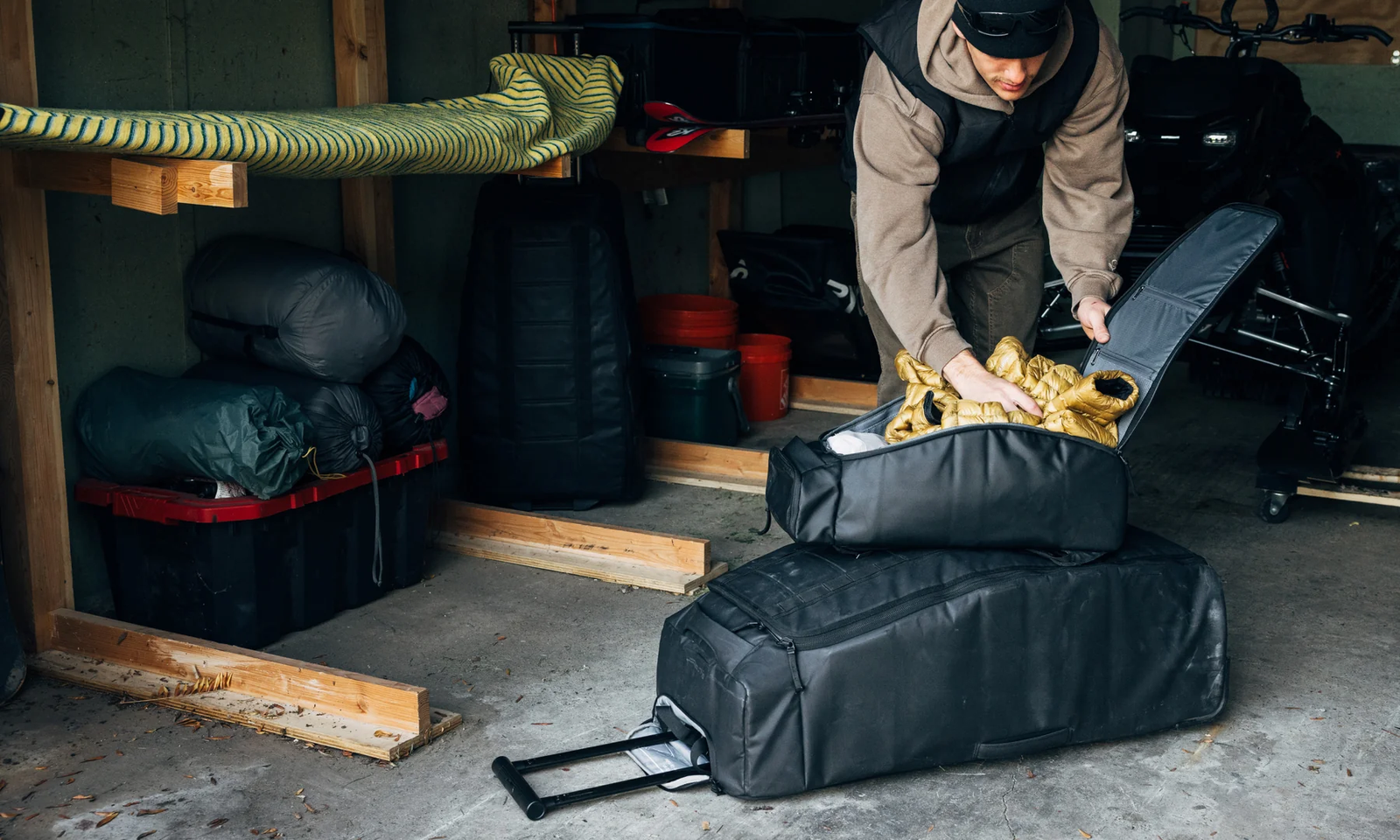
Packing is one of the most important parts of trip planning, yet it’s also where many travelers make the biggest mistake—bringing far more than they actually need. Overpacking can make your journey stressful by adding extra baggage fees, making luggage difficult to carry, and increasing the chances of losing or forgetting important items. Learning how to pack efficiently not only saves time and money but also makes every stage of your trip more enjoyable.
Whether you’re preparing for a weekend getaway, a business trip, or an extended vacation, smart packing strategies help you travel comfortably without sacrificing essential items. The key is to focus on versatility, planning, and organization rather than packing for every possible situation.
Many experienced travelers rely on practical packing guides and travel resources such as gotravellight.com to discover minimalist packing techniques, luggage recommendations, and travel organization tips that make every journey easier.
Why Overpacking Happens
Many travelers pack based on “what if” scenarios instead of actual needs. They often include extra clothing, duplicate toiletries, unnecessary electronics, and items they never end up using.
Common reasons for overpacking include:
- Fear of forgetting something
- Unpredictable weather
- Last-minute packing
- Poor trip planning
- Bringing multiple outfit options
Recognizing these habits is the first step toward packing more efficiently.
Start with a Packing List
A well-organized packing list helps eliminate unnecessary items before they ever reach your suitcase.
Your list should include:
- Clothing
- Toiletries
- Electronics
- Travel documents
- Medications
- Accessories
Creating your list several days before departure gives you time to review and remove non-essential items.
Pack Versatile Clothing
Choose clothing that can be mixed and matched to create multiple outfits.
Good options include:
- Neutral-colored shirts
- Lightweight jackets
- Comfortable walking shoes
- Wrinkle-resistant fabrics
- Multi-purpose accessories
Versatile clothing reduces the total number of items required while maintaining flexibility.
Follow the “Rule of Three”
Many experienced travelers recommend packing enough clothing for approximately three days, regardless of trip length, if laundry facilities are available.
For example:
- Three shirts
- Three pairs of socks
- Three sets of undergarments
- Two pairs of pants
- One lightweight jacket
This simple guideline prevents excessive packing.
Use Packing Cubes
Packing cubes help organize luggage while maximizing available space.
Benefits include:
- Better organization
- Easier access
- Reduced wrinkles
- Faster unpacking
Keeping similar items together also simplifies finding what you need during your trip.
Limit Shoes
Shoes often occupy the largest amount of luggage space.
Most trips require only:
- Comfortable walking shoes
- One dress or casual pair
- Sandals (if appropriate)
Selecting versatile footwear significantly reduces luggage weight.
Choose Travel-Size Toiletries
Large bottles consume valuable suitcase space.
Instead, use:
- Travel-size containers
- Refillable bottles
- Solid toiletries
- Hotel-provided essentials when appropriate
Many destinations also allow travelers to purchase everyday necessities upon arrival.
Minimize Electronics
Modern smartphones replace many individual travel items.
Instead of carrying multiple devices, consider using your phone for:
- Maps
- Books
- Music
- Boarding passes
- Translation apps
- Photography
Reducing electronics also means fewer chargers and cables.
Check the Weather Before Packing
Reviewing the weather forecast shortly before departure helps avoid unnecessary clothing.
Pack specifically for expected conditions rather than preparing for every possibility.
This approach saves valuable luggage space.
Leave Room for Souvenirs
One common packing mistake is filling every inch of luggage before leaving home.
Keeping extra space allows room for:
- Local gifts
- Clothing purchases
- Food specialties
- Travel keepsakes
Planning ahead prevents the need for additional bags during the return journey.
Weigh Your Luggage
Portable luggage scales help avoid unexpected airline baggage fees.
Checking weight before arriving at the airport allows time to redistribute or remove unnecessary items.
Many airlines publish baggage guidelines in advance.
According to the International Air Transport Association (IATA), travelers should always review airline baggage policies before departure, as size and weight limits may vary between carriers.
Smart Packing Habits for Frequent Travelers
Experienced travelers often follow several proven habits:
- Pack early
- Review your list twice
- Remove unnecessary items
- Wear heavier clothing while traveling
- Roll clothing instead of folding
- Carry valuable items in your personal bag
These small adjustments can dramatically improve travel comfort.
Benefits of Traveling Light
Packing efficiently provides several advantages:
- Easier airport navigation
- Lower baggage fees
- Faster hotel check-ins
- Greater mobility
- Less physical strain
- Reduced travel stress
Traveling with lighter luggage allows you to focus more on enjoying your destination rather than managing heavy bags.
Conclusion
Avoiding overpacking begins with thoughtful planning and smart decision-making. By creating a packing list, selecting versatile clothing, minimizing unnecessary items, and organizing luggage efficiently, travelers can enjoy a smoother and more comfortable journey.
Whether you’re traveling for business or leisure, packing only what you truly need saves time, reduces expenses, and makes every stage of your trip easier. Developing efficient packing habits ensures that future adventures remain organized, flexible, and stress-free.


