









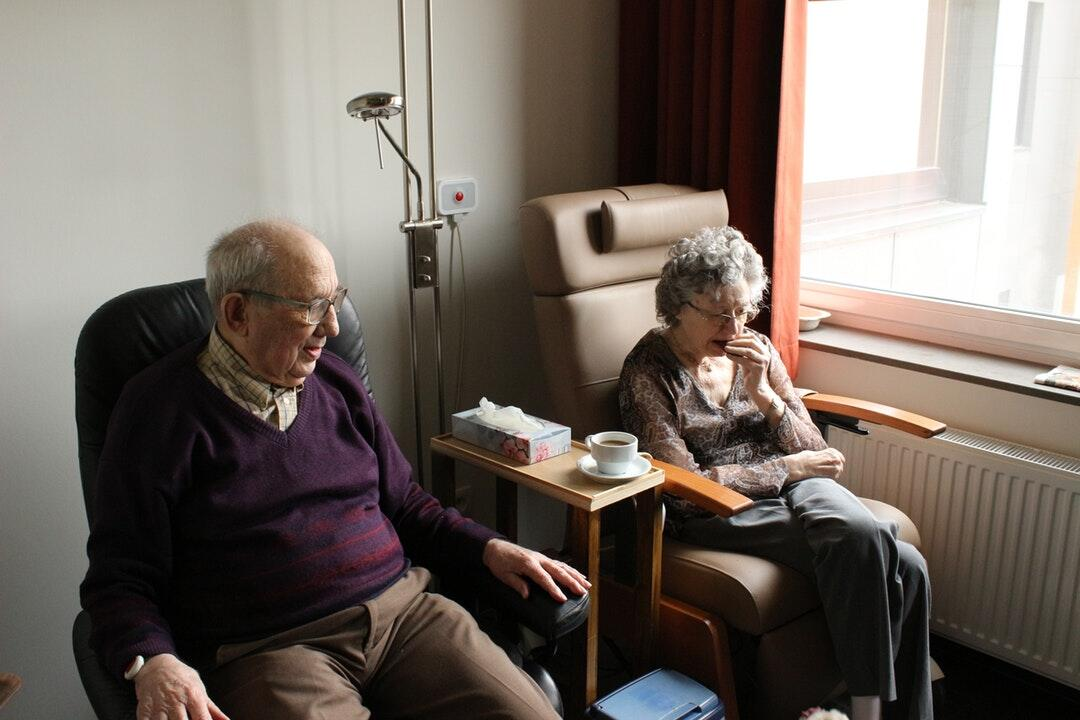
Choosing the right living arrangement for an older adult is an important decision. As daily needs change, families often look for an environment that provides comfort, social opportunities, personal assistance, and access to appropriate healthcare support. Assisted living communities can offer a combination of these services while allowing residents to maintain as much independence as possible.
For families researching senior care options, bethanynd.org can be a useful starting point when exploring assisted living and community-based support. Understanding what healthcare services may be available can make it easier to compare communities and determine which environment is appropriate for a loved one’s current and future needs.
What Is Assisted Living?
Assisted living is designed primarily for older adults who need help with certain everyday activities but do not require the level of continuous medical care typically associated with a nursing home.
Residents commonly live in private or shared rooms or apartments and have access to shared dining, recreational areas, and community activities. Depending on the facility and local regulations, services may include assistance with personal care, medication management, housekeeping, meals, transportation, and supervision.
The exact services differ from one community to another, so families should always ask for a detailed description of what is included.
How Healthcare Services Fit Into Assisted Living
Healthcare support can be an important part of assisted living, but it is important to understand that assisted living is not the same as a hospital or skilled nursing facility.
Some communities have healthcare professionals or trained staff available on-site, while others coordinate care with outside physicians, nurses, therapists, pharmacies, or home health providers.
The National Institute on Aging explains that assisted living generally serves people who need help with daily care but not the extensive level of medical care provided in nursing homes.
This distinction helps families select an environment that matches the resident’s needs rather than assuming every assisted living community provides the same level of healthcare.
Medication Management and Reminders
Medication routines can become complicated when an older adult takes several prescriptions at different times of day.
Depending on the community, staff may provide medication reminders, assistance with medication administration, or coordination with healthcare providers. The specific level of support depends on the resident’s needs and applicable regulations.
A well-organized medication process can help reduce confusion and make daily routines easier.
Families should ask questions such as:
- Who manages residents’ medications?
- Are medications stored securely?
- How are prescription changes communicated?
- What happens if a resident misses a dose?
- Is medication assistance included in the monthly fee?
- How does the community coordinate with physicians and pharmacies?
Clear answers can help families understand how medication-related needs will be handled.
Access to Nurses and Healthcare Professionals
Some assisted living communities have nurses or other healthcare professionals available on-site or on a scheduled basis. Others arrange visits from outside providers.
The availability of these professionals can be particularly useful when a resident needs routine monitoring or assistance coordinating healthcare appointments.
However, families should not assume that having healthcare staff on-site means the community can manage every medical situation. Emergency conditions may still require hospital treatment or emergency medical services.
When touring a community, ask exactly what healthcare professionals are available, when they are available, and what types of services they are authorized to provide.
Support With Activities of Daily Living
Healthcare and personal care often overlap in assisted living.
Older adults may need help with activities such as bathing, dressing, grooming, eating, toileting, or moving safely around their living space. Providing appropriate assistance can help residents maintain dignity while reducing unnecessary risks.
The National Institute on Aging identifies these everyday activities as important considerations when determining an older person’s need for additional support.
The goal should not be to take away a resident’s independence. Instead, staff can assist with tasks that have become difficult while allowing the person to perform activities they can safely manage themselves.
Coordination With Doctors and Specialists
Healthcare rarely involves only one professional. An older adult may have a primary care physician, dentist, specialist, physical therapist, pharmacist, or other providers.
Good communication between these professionals and the assisted living community can make care easier to coordinate.
Families should ask whether the community helps arrange medical appointments, communicates changes in a resident’s condition, maintains healthcare records, or coordinates transportation.
This type of coordination can be especially valuable for families who live far away or cannot attend every appointment.
Physical Therapy and Rehabilitation Support
Mobility can change as people age, particularly after illness, injury, surgery, or hospitalization.
Some assisted living communities may provide access to physical, occupational, or other therapy services through visiting professionals or external providers. Availability varies considerably, so families should ask about specific rehabilitation options.
Therapy can help an older adult work toward functional goals such as improving movement, strength, balance, or the ability to perform everyday activities.
If a person requires intensive rehabilitation or skilled nursing care, however, a different type of facility may be more appropriate.
Nutrition and Dietary Support
Good nutrition is another important part of senior well-being.
Assisted living communities commonly provide meals, and some may accommodate specific dietary requirements. Staff may also be able to monitor whether a resident is eating adequately or needs additional support during meals.
Families should discuss allergies, dietary restrictions, food preferences, and any physician-recommended diet before choosing a community.
Mealtimes also have a social benefit. Shared dining areas can give residents regular opportunities to interact with neighbors, develop friendships, and maintain a sense of community.
Emergency Response and Safety
Healthcare support also includes being prepared when an urgent situation occurs.
Many communities have emergency response systems, staff available around the clock, security measures, or procedures for responding to falls and other incidents.
Families should ask how emergencies are handled and how relatives are notified.
Important questions include:
- Is staff available 24 hours a day?
- Are emergency call systems installed in rooms?
- What happens after a fall?
- How are families contacted during an emergency?
- How quickly can emergency medical services be reached?
- What happens if a resident’s healthcare needs suddenly increase?
Understanding these procedures before move-in can provide families with greater confidence.
Mental and Social Well-Being
Healthcare should not be viewed only in terms of physical treatment. Emotional and social well-being are also important parts of a healthy aging experience.
Assisted living communities can provide social activities, recreational programs, group meals, exercise opportunities, educational activities, and opportunities for residents to interact with one another.
Regular social contact can help residents maintain relationships and establish new routines after moving into a community.
Families should therefore evaluate both healthcare services and the overall atmosphere. A community may have strong medical support, but residents also need an environment where they feel comfortable, respected, and engaged.
Memory Care and Specialized Support
Some older adults experience Alzheimer’s disease or other forms of dementia and may require specialized assistance.
Certain assisted living communities offer dedicated memory care programs with specially trained staff and environments designed around the needs of residents with cognitive impairment.
However, not every assisted living community provides specialized memory care.
Families should ask whether the community accepts residents with dementia, what training staff receive, how safety is managed, and whether additional fees apply to specialized services.
The level of support should match the individual’s current needs and anticipated progression.
How Families Can Evaluate Healthcare Services
A community’s marketing materials may provide a general overview, but visiting the facility and asking detailed questions is essential.
During a tour, families should consider:
Staffing
Ask about staffing levels, qualifications, training, turnover, and availability during evenings and weekends.
Healthcare Coordination
Find out how physicians, pharmacies, therapists, and other healthcare providers communicate with staff.
Care Assessments
Ask how the community evaluates a resident’s needs before move-in and how often those needs are reassessed.
Changing Needs
A resident’s needs may change over time. Ask what happens if additional assistance becomes necessary and whether the community can provide it.
Costs
Request a detailed explanation of monthly fees, additional healthcare charges, medication assistance costs, transportation fees, and other potential expenses.
The National Institute on Aging recommends considering both an older adult’s healthcare needs and personal preferences when evaluating long-term care options.
Assisted Living vs. Nursing Homes
One common source of confusion is the difference between assisted living and nursing homes.
Assisted living generally focuses on helping people with daily activities while supporting independence. Nursing homes provide a higher level of medical and nursing care for people with more complex healthcare needs.
This does not mean one option is universally better than the other. The appropriate choice depends on the individual’s needs.
Someone who mainly needs assistance with meals, personal care, medications, housekeeping, and social activities may be well suited to assisted living. Someone who requires extensive medical supervision or skilled nursing services may need a nursing home or another specialized care setting.
Planning for Future Care Needs
Choosing an assisted living community should involve more than thinking about today’s needs.
Families should also consider how the resident’s care requirements might change. A community that can accommodate increasing assistance may reduce the disruption associated with moving again later.
Ask whether the community offers multiple levels of care, how care plans are updated, and what circumstances might require a resident to move to another facility.
Planning ahead gives families more time to compare options and discuss preferences with the older adult.
Conclusion
Assisted living communities with healthcare services can provide a useful combination of residential support, personal assistance, healthcare coordination, safety, and social engagement. The exact services vary significantly, so families should never assume that every community offers the same level of care.
The best choice is one that matches the older adult’s current needs, respects their preferences, and can adapt when those needs change. By asking detailed questions about staffing, medications, healthcare coordination, emergency procedures, costs, and future care options, families can make a more informed decision.
Most importantly, assisted living should provide support without unnecessarily limiting independence. When the right level of care is combined with a welcoming community, older adults can receive needed assistance while continuing to maintain meaningful routines, relationships, and personal choices.


