









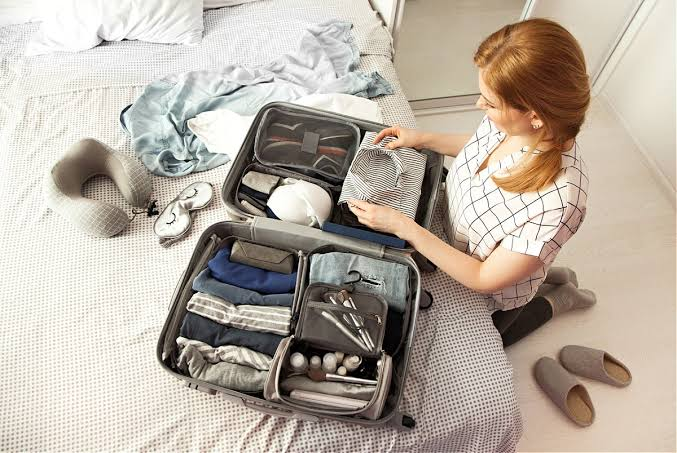
Packing for a trip often starts with good intentions and ends with an overstuffed suitcase. Extra clothes, backup shoes, unnecessary gadgets, and “just in case” items can quickly turn a simple journey into a battle with luggage. Minimalist packing offers a better approach: take fewer things, choose versatile items, and focus on what you will genuinely use.
Minimalist travel does not mean sacrificing comfort or preparing with almost nothing. It means being intentional about every item you bring. Travelers looking for practical ideas can explore gotravellight.com for inspiration on making travel simpler, lighter, and more manageable.
Start With the Trip, Not the Suitcase
One of the biggest packing mistakes is choosing items before thinking about the trip itself. Instead of opening a suitcase and filling it automatically, begin by considering your destination, weather, activities, transportation, and trip duration.
A weekend city break requires a different packing strategy from a two-week beach vacation or a business trip. Look at the expected temperature and consider whether your accommodation provides towels, toiletries, hair dryers, or other basic necessities.
Your itinerary matters too. If you plan to spend most of your time walking through cities, comfortable footwear should receive more attention than formal clothing. If your trip includes restaurants or professional meetings, one adaptable smart outfit may be more useful than several separate outfits.
The goal is to pack for the actual experience rather than an imaginary version of the trip.
Build a Small, Versatile Wardrobe
Clothing usually takes up more space than any other category. The easiest way to reduce luggage is to select clothes that can work together in multiple combinations.
Choose a simple color palette so that most tops work with most bottoms. Neutral colors can make this especially easy, but the principle works with any style. A shirt that can be worn casually during the day and dressed up for dinner is more valuable than an outfit that serves only one purpose.
Think in terms of combinations rather than individual outfits. For example, three tops and two bottoms can create several different looks without requiring a large wardrobe.
Lightweight fabrics can also make a major difference. Materials that dry quickly are particularly useful because they allow travelers to wash a few items during longer trips instead of packing enough clothing for every day.
Follow the One-Week Rule
For many trips, packing enough clothing for the entire journey is unnecessary. Even when traveling for two weeks or longer, you may not need fourteen complete outfits.
A useful strategy is to pack roughly one week of versatile clothing and plan to wash some items during the trip. A small amount of laundry can dramatically reduce the amount of luggage you need.
This approach works particularly well when your accommodation has laundry facilities or when you can hand-wash lightweight clothing. A few minutes spent washing clothes can save significant suitcase space.
The same principle applies to underwear and socks. Bring enough for your planned schedule, but avoid automatically doubling everything because you might need it.
Limit Your Shoes
Shoes are among the heaviest and bulkiest items travelers pack. Many people bring several pairs because each seems useful, but most trips can be handled with fewer.
A practical minimalist strategy is to choose one comfortable pair that can handle most daily activities. Depending on your destination, you might add one lightweight alternative for specific situations.
Wear your heaviest shoes while traveling rather than placing them inside your suitcase. This can save both weight and valuable packing space.
Before adding another pair, ask a simple question: will I realistically wear these shoes enough to justify their weight and space? If the answer is no, leave them behind.
Use a Packing List With Categories
A structured packing list can prevent both overpacking and forgetting important items. Instead of writing down dozens of individual objects, divide your needs into categories.
Useful categories include:
- Clothing
- Footwear
- Toiletries
- Electronics
- Documents
- Medication and personal essentials
- Travel accessories
Once the categories are established, identify the minimum number of items needed in each one.
This method also makes it easier to notice duplicates. For example, you might realize that you are packing three charging cables even though two devices use the same cable. Removing unnecessary duplicates is one of the fastest ways to simplify luggage.
Choose Multi-Purpose Travel Items
Minimalist packing becomes much easier when individual items can serve multiple purposes.
A lightweight scarf, for example, can work as an accessory, extra layer, or shoulder covering depending on the destination. A small daypack can serve as a personal item during transportation and a sightseeing bag after arrival.
The same principle applies to electronics. Instead of bringing a separate device for every task, consider whether your phone or laptop can handle multiple functions.
Multi-purpose products reduce the number of objects you need to organize, carry, charge, and keep track of throughout your journey.
Rethink Toiletries
Toiletries can quietly become a major source of unnecessary luggage. Full-size bottles are rarely necessary for short trips, while multiple products with overlapping purposes create additional clutter.
Transfer essential liquids into appropriately sized travel containers where practical. Select only the products you genuinely use every day.
Travelers flying should also check current airline and airport requirements before packing liquids and other restricted items. The official TSA guide to what passengers can bring is a useful reference for travelers departing from or passing through the United States.
For longer journeys, remember that many everyday toiletries can be purchased at your destination. There is little value in carrying a large bottle halfway around the world if an equivalent product is easily available after arrival.
Pack Electronics Carefully
Technology makes modern travel easier, but electronics can quickly become a source of unnecessary weight.
Start by identifying which devices are essential. A smartphone may already replace a camera, map, music player, alarm clock, boarding-pass holder, and travel guide.
For every electronic item, consider whether you will use it frequently enough to justify packing it. If a device is likely to remain in your suitcase for the entire trip, it may not belong there.
Keep essential chargers and cables organized in one compact pouch. This prevents small accessories from becoming scattered throughout the luggage.
A portable power bank can be useful for long travel days, but again, choose based on actual needs rather than packing every gadget you own.
Use the “Last 24 Hours” Test
One of the simplest ways to identify unnecessary items is to perform a final review shortly before leaving.
Look at everything you have packed and ask: “If I had to leave tomorrow with only the essentials, would I still take this?”
Items that receive a confident yes should remain. Items that receive a hesitant answer deserve another review.
You can also remove anything that was packed purely because of an unlikely scenario. Preparing for every possible situation usually results in heavy luggage. Instead, focus on realistic needs and remember that many destinations have shops, pharmacies, laundries, and other services.
Leave Some Empty Space
A minimalist suitcase should not be packed to maximum capacity. Leaving a little empty space makes the journey easier and provides room for souvenirs, purchases, or unexpected items.
An overfilled suitcase can also make unpacking difficult and increase the risk of exceeding baggage-weight limits.
Rather than measuring success by how full your luggage is, measure it by how easily you can carry and organize it.
A good packing system should allow you to find important items without removing everything from the suitcase.
Pack According to Frequency of Use
Organization is just as important as reducing quantity. Items you need frequently should be easy to reach.
Keep documents, chargers, medications, and other essentials in accessible locations. Less frequently used clothing can remain deeper in the suitcase.
Packing cubes or small organizers can help separate categories, although they should not become an excuse to carry more. Their purpose is to improve organization, not create additional storage space for unnecessary belongings.
Create a Repeatable Packing System
Once you discover a packing combination that works, save it as your personal travel formula.
For example, you might develop a standard setup containing a small number of tops, versatile bottoms, one primary pair of shoes, essential toiletries, a compact electronics kit, and necessary documents.
For different types of trips, create variations rather than starting from zero every time. A business-trip version, weekend version, and warm-weather version can make future packing considerably faster.
Over time, minimalist packing becomes less about making difficult decisions and more about following a proven system.
Conclusion
Minimalist packing is ultimately about making travel easier. Carrying fewer possessions means less weight, less organization, fewer decisions, and fewer things to lose. The best strategy is not to eliminate everything but to make every item earn its place in your luggage.
Start with the destination and itinerary, build a versatile wardrobe, reduce footwear, simplify toiletries, limit electronics, and review everything before departure. With a little practice, you can develop a lightweight packing routine that works across different types of journeys.
The result is more than a smaller suitcase. It is a smoother travel experience where your attention stays on the destination instead of constantly managing your belongings.


