









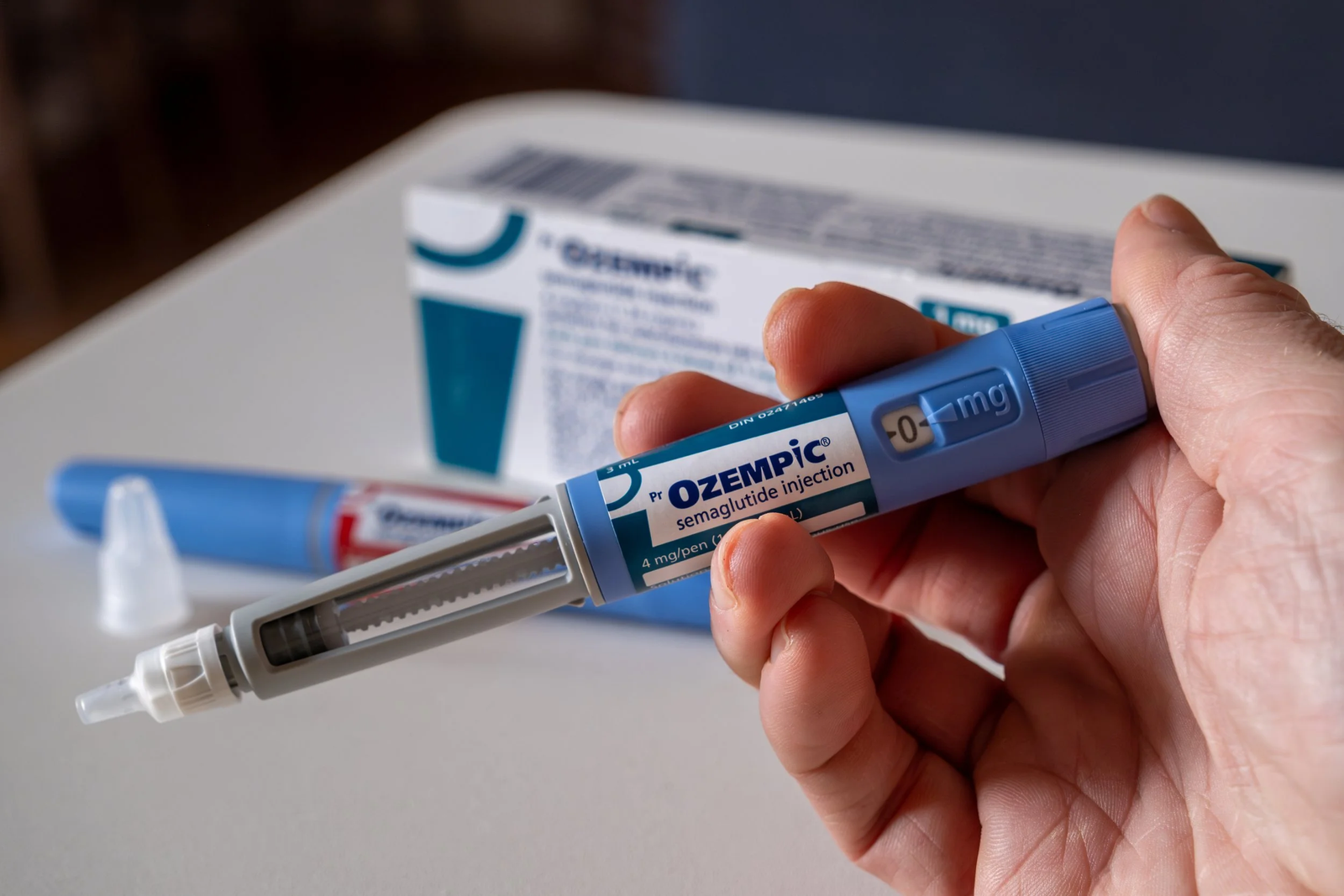
Weight management has become an important part of modern healthcare, particularly for people dealing with obesity, overweight, type 2 diabetes, or other weight-related conditions. Among the medications receiving significant attention are semaglutide and tirzepatide. Both can influence appetite, food intake, and metabolic processes, but they are not identical medications and should not be treated as interchangeable options.
For readers looking for accessible nutrition and medication-related information, nutritionnc com can be a useful starting point for exploring topics related to nutrition, weight management, and health. However, medication decisions should always be made with a qualified healthcare professional who can consider an individual’s medical history, current medications, and treatment goals.
What Is Semaglutide?
Semaglutide is a medication that belongs to the glucagon-like peptide-1 (GLP-1) receptor agonist class. GLP-1 is a hormone involved in appetite regulation, insulin secretion, and digestion. By activating GLP-1 receptors, semaglutide can help reduce appetite and food intake while also affecting blood glucose regulation.
Semaglutide is available under different brand names for different medical purposes. For example, Ozempic and Rybelsus are used for type 2 diabetes, while Wegovy is indicated for certain adults with obesity or overweight and related health conditions. In March 2026, the U.S. Food and Drug Administration also approved a higher-dose Wegovy formulation, known as Wegovy HD, for weight loss and long-term weight maintenance in certain adults.
The specific product, dosage, and indication matter because medications containing the same active ingredient may have different approved uses. Patients should therefore avoid assuming that one semaglutide product can automatically be substituted for another.
What Is Tirzepatide?
Tirzepatide works differently from semaglutide because it activates two hormone receptors: glucose-dependent insulinotropic polypeptide (GIP) and GLP-1. This dual action can influence appetite, food intake, glucose regulation, and other metabolic processes.
Tirzepatide is marketed as Mounjaro for certain adults with type 2 diabetes and as Zepbound for chronic weight management in eligible adults. The FDA approved Zepbound in 2023 for adults with obesity or adults who are overweight and have at least one weight-related medical condition, alongside a reduced-calorie diet and increased physical activity.
The distinction between Mounjaro and Zepbound is important. Although both contain tirzepatide, their approved indications are different. Patients should use the product prescribed for their particular medical needs rather than selecting a medication based only on its popularity.
Semaglutide vs. Tirzepatide: What Is the Difference?
The main difference is how these medications work.
Semaglutide primarily activates the GLP-1 receptor. Tirzepatide activates both the GIP and GLP-1 receptors. Because of this difference, their effects and treatment responses can vary from one person to another.
Another important consideration is the individual’s health profile. Someone with type 2 diabetes, obesity, cardiovascular disease, or another health condition may have different treatment priorities from someone seeking weight management alone.
Neither medication should automatically be considered “better” for everyone. The appropriate choice depends on factors such as medical history, treatment goals, tolerability, other medications, and the healthcare provider’s assessment.
How Do These Medications Affect Appetite?
One reason semaglutide and tirzepatide have attracted attention is their effect on appetite and food intake. These medications can influence signals involved in hunger and fullness, which may make it easier for some people to reduce calorie intake.
They can also slow the movement of food through the digestive system. This may contribute to a longer-lasting feeling of fullness. The FDA explains that GLP-1 medicines can affect appetite regulation and slow food movement through the digestive tract.
However, reduced appetite does not mean that nutrition becomes unimportant. People taking these medications still need adequate protein, fiber, vitamins, minerals, fluids, and other essential nutrients. A balanced eating pattern can help support overall health during weight-management treatment.
Common Side Effects to Know
Semaglutide and tirzepatide can cause gastrointestinal side effects, particularly when treatment is started or the dosage is increased. Possible symptoms may include nausea, vomiting, diarrhea, constipation, abdominal discomfort, or reduced appetite.
The severity of side effects can vary considerably. Some people may experience mild symptoms that improve over time, while others may have problems that require medical attention or a change in treatment.
Patients should follow their prescribed dosing schedule and should not increase or decrease the dose independently. If persistent vomiting, severe abdominal pain, dehydration, or other concerning symptoms occur, contacting a healthcare professional is important.
Why Medical Supervision Matters
Prescription weight-management medications are not suitable for everyone. Before starting treatment, a healthcare professional may consider medical history, existing conditions, current medications, allergies, weight-management goals, and potential risks.
It is also important to obtain medication through legitimate healthcare and pharmacy channels. The FDA has warned about concerns surrounding unapproved compounded GLP-1 products and efforts to protect consumers from products whose quality, safety, or effectiveness cannot be adequately verified.
For authoritative information about approved uses and current regulatory information, readers can consult the U.S. Food and Drug Administration.
The Role of Nutrition During Treatment
Medication is only one part of a comprehensive approach to weight management. Nutrition remains important because the goal should not simply be to consume fewer calories. The body still requires sufficient nutrients to support muscles, bones, organs, energy production, and normal physiological functions.
A balanced diet can include vegetables, fruits, whole grains, lean protein sources, healthy fats, and appropriate amounts of dairy or alternatives. Protein-rich foods can be especially useful for maintaining muscle while losing weight, although individual nutritional requirements vary.
Eating smaller meals may also be helpful for people who experience reduced appetite or digestive discomfort. Rather than forcing large meals, some individuals may find it easier to distribute nutritious foods throughout the day.
Adequate hydration is another consideration. Reduced food intake, gastrointestinal symptoms, or vomiting can increase the risk of inadequate fluid intake. Drinking enough fluids throughout the day can support normal bodily functions.
Exercise and Healthy Habits Still Matter
Semaglutide and tirzepatide should not be viewed as replacements for healthy lifestyle habits. Physical activity can support cardiovascular health, strength, mobility, mood, and overall fitness.
A combination of resistance training and appropriate aerobic activity may be useful for many people. However, exercise plans should be adapted to an individual’s fitness level, age, medical conditions, and healthcare provider’s recommendations.
Sleep and stress management can also influence eating behavior and general health. Creating sustainable habits around meals, movement, sleep, and hydration can make a weight-management plan more practical over the long term.
What Should Patients Ask Their Doctor?
Before beginning semaglutide or tirzepatide, patients can prepare several questions for their healthcare provider:
- Is this medication appropriate for my health condition?
- Which product and dosage are appropriate for me?
- What side effects should I watch for?
- Could it interact with my other medications?
- What should I do if I miss a dose?
- What nutrition and exercise habits should I follow?
- How will my progress and treatment response be monitored?
Having an open discussion can help patients understand both the potential benefits and limitations of treatment.
Frequently Asked Questions
Is semaglutide the same as tirzepatide?
No. Semaglutide primarily targets the GLP-1 receptor, while tirzepatide targets both GIP and GLP-1 receptors.
Are semaglutide and tirzepatide used for diabetes?
Yes. Certain products containing these active ingredients are approved for type 2 diabetes. Other products are approved for chronic weight management in specific populations.
Can everyone use these medications for weight loss?
No. Eligibility depends on the specific medication, approved indication, medical history, and healthcare professional’s assessment.
Do these medications replace a healthy diet?
No. Nutrition remains an important part of weight management. Medication is generally used as part of a broader treatment approach when appropriate.
Should someone choose semaglutide or tirzepatide without medical advice?
No. Both are prescription medications, and the appropriate option depends on individual health circumstances. A qualified healthcare professional should guide treatment decisions.
Conclusion
Semaglutide and tirzepatide have become important options in modern diabetes and weight-management care, but understanding their differences is essential. Semaglutide works primarily through GLP-1 receptors, while tirzepatide acts on both GIP and GLP-1 receptors. Their approved products, uses, dosing, potential side effects, and suitability can differ.
Most importantly, these medications should be considered as part of a comprehensive health strategy rather than as standalone solutions. Appropriate nutrition, physical activity, medical supervision, and realistic long-term habits remain important components of effective health management. Anyone considering semaglutide or tirzepatide should speak with a qualified healthcare professional before beginning, stopping, or changing treatment.


