


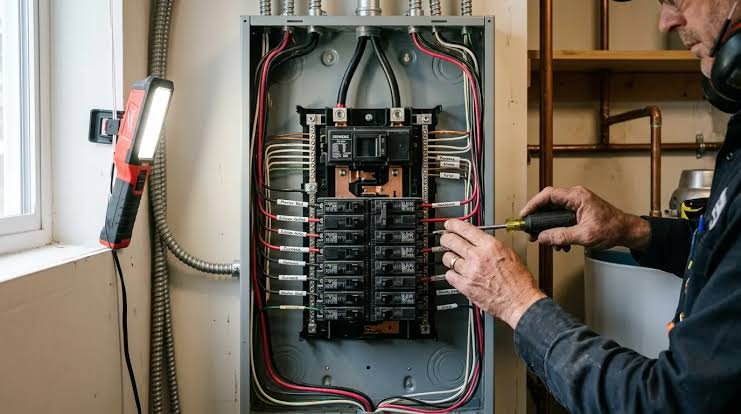
Older homes often have a charm and character that newer properties cannot easily reproduce. However, the electrical systems inside these homes may not be designed to handle the demands of modern living. Appliances such as air conditioners, electric water heaters, induction ranges, heat pumps, home offices, and electric vehicle chargers can place considerably more demand on an electrical system than the original builders ever anticipated.
For homeowners considering an electrical upgrade, understanding the existing system is the first step. A professional assessment can determine whether the property needs a simple panel replacement, additional circuits, or a complete electrical service upgrade. Homeowners planning this type of project can also consult EvolutionElectricSolar.com for professional guidance on improving an older home’s electrical infrastructure.
Why Older Homes May Need an Electrical Service Upgrade
Many older properties were built when households used far fewer electrical appliances. A home that once powered basic lighting, a refrigerator, a television, and a few small appliances may now need to support multiple computers, large HVAC systems, kitchen equipment, entertainment systems, and other high-demand devices.
Some older houses have 60-amp or 100-amp electrical services, while modern homes commonly require greater capacity. However, the age of a panel alone does not automatically mean it needs replacement. The home’s actual electrical demand, condition of the equipment, available breaker spaces, wiring, and future plans should all be evaluated.
The U.S. Department of Energy notes that many older homes have 100-amp electrical panels and that homeowners should determine whether their existing capacity can support planned electrification projects before upgrading.
Signs Your Electrical Service May Be Outdated
Several warning signs can indicate that an older home’s electrical service needs professional attention.
Frequent Breaker Trips
Occasional breaker trips can happen, but frequent trips may indicate that circuits are regularly being pushed beyond their intended capacity. A breaker is designed to interrupt power when it detects an unsafe electrical condition.
Repeatedly resetting a breaker without investigating the underlying problem is not a good long-term solution. An electrician can determine whether the issue involves an overloaded circuit, faulty equipment, damaged wiring, or insufficient service capacity.
Flickering or Dimming Lights
Lights that flicker or dim when large appliances start can be another reason to have the electrical system inspected. While occasional changes may have simple explanations, persistent flickering can point to an electrical connection or capacity issue that deserves professional evaluation.
Fuse Boxes and Very Old Panels
Some older homes still contain fuse boxes rather than modern circuit breaker panels. Although not every older electrical component is automatically unsafe, outdated equipment can make it more difficult to accommodate modern electrical loads.
A professional inspection can identify whether the existing equipment should remain, be repaired, or be replaced.
Limited Breaker Space
An electrical panel may have enough overall capacity but still lack physical space for additional circuits. This can become a problem when homeowners want to install equipment such as an EV charger, heat pump, electric range, or workshop machinery.
Adding breakers without first evaluating the system’s capacity is not an appropriate solution. The entire electrical service needs to be considered.
Start With an Electrical Load Assessment
Before deciding how large an upgrade should be, have a qualified electrician evaluate the home’s existing electrical load.
The goal is not simply to install the largest possible panel. Instead, the electrician should determine how much electricity the home currently requires and how much additional capacity may be needed in the future.
For example, a homeowner may be planning to install a central air-conditioning system and an EV charger within the next few years. Those future loads should be considered when planning the upgrade rather than designing a system that only meets today’s requirements.
ENERGY STAR similarly recommends discussing existing panel capacity and planned electric appliances with a licensed electrician before making electrical upgrades.
Decide Whether You Need a Panel Upgrade or Service Upgrade
These two terms are sometimes used interchangeably, but they can describe different projects.
A panel upgrade generally involves replacing the electrical distribution panel with newer equipment. The home’s existing service capacity may remain unchanged.
An electrical service upgrade, on the other hand, can involve increasing the amount of electricity supplied to the property. Depending on the home’s configuration, this may require changes to service conductors, the meter equipment, the main disconnect, and other components connecting the home to the utility.
This distinction is important because installing a larger panel does not automatically increase the amount of electricity available to the house. The service supplying the panel must also be capable of supporting the intended load.
Inspect the Existing Wiring
Upgrading the electrical panel does not necessarily mean every wire in an older home must be replaced. However, the existing wiring should be inspected before or during the upgrade.
Older homes can contain wiring systems that differ significantly from those used in modern construction. Depending on the home’s age and renovation history, an electrician may encounter outdated wiring, deteriorated insulation, ungrounded circuits, aluminum wiring, or previous modifications that were not completed properly.
If problems are discovered, they should be addressed as part of the broader electrical improvement plan.
This is particularly important in homes that have undergone several renovations over the years. Previous owners may have added circuits, outlets, or appliances without upgrading the main service, creating an electrical system that has gradually become more complicated.
Check Grounding and Bonding
Grounding and bonding are essential parts of a safe electrical system. During an electrical service upgrade, an electrician should evaluate whether the home’s grounding and bonding arrangements are appropriate for the upgraded equipment.
Older properties may have grounding systems that require improvements to meet the requirements applicable to the project. The exact requirements depend on the home’s location, existing installation, and locally adopted electrical codes.
Because these components are directly related to electrical safety, they should be evaluated and installed by a qualified professional rather than treated as a do-it-yourself project.
Understand Permits and Utility Requirements
A service upgrade can involve more than work inside the house. Depending on the project, the local building authority may require permits and inspections, while the utility company may need to coordinate work involving the meter or incoming service.
The exact process varies by location. Some projects may require utility approval before work begins, followed by an inspection before power is restored.
Homeowners should therefore ask their electrician about the complete project process before scheduling the work. Understanding these requirements in advance can prevent unexpected delays.
Plan for Future Electrical Needs
One of the biggest advantages of upgrading an older home’s electrical service is the opportunity to plan for the future.
Think beyond today’s appliances. A homeowner might eventually want an electric vehicle charger, solar equipment, a heat pump, an electric water heater, a home workshop, or an addition to the property.
Planning for these possibilities can help avoid repeated electrical modifications. It may be more practical to design an upgrade that comfortably supports expected future needs than to perform another major service modification a few years later.
However, future-proofing does not mean automatically installing excessive capacity. The upgrade should be based on a professional assessment of current and anticipated loads.
Choose a Qualified Electrical Professional
Electrical service work involves components that can carry significant amounts of energy and may connect directly to utility equipment. It is not a suitable project for inexperienced homeowners.
A qualified electrician can assess the existing service, calculate electrical demand, identify safety concerns, determine the appropriate equipment, coordinate required permits, and complete the installation according to applicable requirements.
Homeowners should also request a detailed estimate that explains what the project includes. Depending on the property, the work could involve a new panel, service conductors, meter equipment, grounding improvements, new circuits, or repairs to existing wiring.
What to Expect During the Upgrade
The exact installation process depends on the home’s electrical configuration and the scope of work. Generally, the electrician first evaluates the existing system and determines the required service capacity.
After the appropriate equipment and permits are arranged, the old equipment can be removed and the new system installed. Utility coordination may be necessary if the incoming electrical service needs to be disconnected or modified.
After installation, required inspections are completed before the system is returned to normal operation.
Because every older home is different, the project timeline can vary significantly. Homes with complicated wiring, difficult access, or extensive electrical modifications may require additional work.
Final Thoughts
Upgrading the electrical service in an older home is about more than installing a newer breaker panel. It is an opportunity to evaluate the entire electrical system, improve safety, increase available capacity, and prepare the property for modern and future electrical demands.
The best approach starts with a professional assessment rather than assuming that every older panel needs to be replaced. By evaluating electrical loads, wiring, grounding, service capacity, future appliances, permits, and utility requirements, homeowners can make a more informed decision.
A properly planned electrical service upgrade can make an older home better suited to modern living while providing the electrical capacity needed for years to come.

