








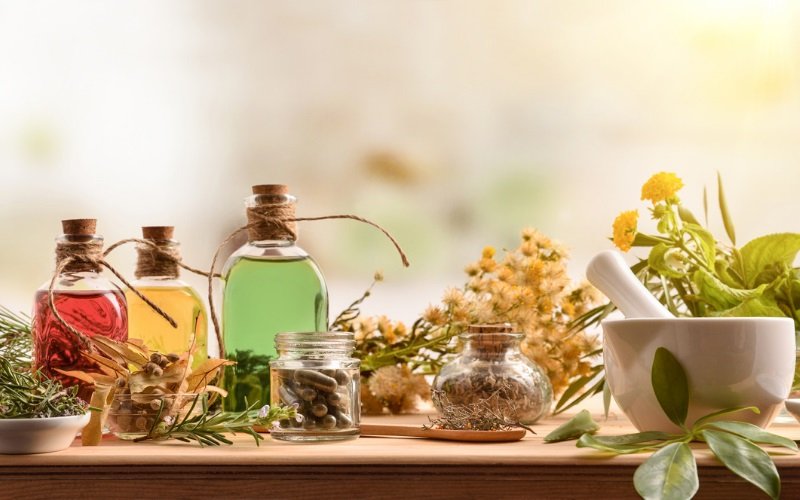
Natural products are created by blending botanical, mineral, and other raw ingredients, often with a focus on overall well-being. Modern apothecaries encompass a broad range of items, including handcrafted soaps and essential oils. Here are some herbal ingredients for your apothecary products:
Pure Essential Oils
Essential oils serve as the primary aromatic component in many professional apothecary products. Apothecaries offer a wide selection of these oils to address various physical and emotional needs. Peppermint and eucalyptus oils support respiratory health, while lavender oil promotes relaxation and sleep. When creating skin care products, you can dilute essentials in carrier oils or incorporate them into soap bases.
Organic Plant Butters
Organic plant butters are used as the base in many products. These natural fats, including shea, cocoa, and mango butter, create both texture and scent. Shea butter has a high concentration of vitamins and fatty acids, while cocoa butter offers firm consistency. These butters remain solid at room temperature yet melt upon contact with the skin, proving an ideal body balm texture.
Crafters may use refined butters for their scent and color or other raw versions. Each type of butter has a unique melting point, which influences the final hardness of soaps and salves. Mango butter is highly emollient, whereas kokum butter is non-greasy and stable against oxidation. When you combine organic butters with beeswax, you create a protective barrier that locks in moisture. Adding liquid carrier oils results in a softer, more spreadable ointment.
Dried Botanical Herbs
Botanical herbs include flower petals, roots, and seeds that improve the appearance, scent, and texture of your formulations. Professionals harvest and dry these herbs to preserve their natural potency. When you incorporate dried flowers into melt-and-pour soap, they serve as decorative toppers. Fully submerging them in high-pH cold process soap may cause them to change color. While some crafters use botanicals for visual impact, others opt for powdered forms to achieve a smooth consistency in body scrubs.
Refined Mineral Clays
Mineral clays act as cleansing agents, enhancing the purifying capabilities of your products. They can be incorporated into facial masks and cold-process soaps to help remove impurities from the skin. Here are some specialized types of mineral ingredients:
- Bentonite clay
- Kaolin clay
- French green clay
- Rhassoul clay
Bentonite clay absorbs several times its weight in water. Kaolin is a mild form of cosmetic clay, utilized in products designed for dry or sensitive skin. It is available in various colors, allowing crafters to add natural pigments to their soaps. French green clay has a high mineral content; it effectively tightens pores and tones the skin’s surface.
Natural Cosmetic Waxes
Cosmetic waxes provide the structural foundation needed to create the desired consistency in balms. Vegan alternatives like candelilla and carnauba wax offer unique textures for plant-based formulations. When blended with oils, these waxes act as emulsifiers, maintaining the shape of your final products even in warmer temperatures. Floral waxes like rose or jasmine add natural fragrances to your creations.
Explore Apothecary Products
High-quality apothecary selections allow you to transform oils and waxes into professional-grade wellness solutions. While dried botanicals and oils offer aromatic and structural elements, mineral clays and butters provide the emollient foundations for skincare. Contact a reputable apothecary to learn more about their offerings.